

Latest researches

[Evento] Città vive, territori forti_MILANO Palazzo Castiglioni_26 ottobre 2026
In una Lombardia al centro di trasformazioni economiche, demografiche e territoriali, i Distretti del Commercio rappresentano laboratori permanenti di sviluppo locale, capaci di generare attrattività, sostenibilità, sicurezza, inclusione e innovazione. L’incontro offrirà una panoramica su conoscenza e attività dei Distretti in un confronto tra istituzioni, mondo accademico e le dirette testimonianze dei protagonisti. 10.00 Registrazione […]

[Evento] Città attrattive_TARANTO_22 ottobre 2026
DISTRETTI URBANI DEL COMMERCIO, POLITICHE ATTIVE DEL LAVORO, FORMAZIONE E PIANIFICAZIONE STRATEGICA Giuseppe SPADAFINO, Presidente Confcommercio Taranto Onofrio DI CILLO, Vicepresidente ANCI Puglia Coordina: Valentina PALUMBO, Responsabile DUC Confcommercio Taranto DUC E PIANI STRATEGICI DEL COMMERCIO: STRATEGIE E STRUMENTI PER IL FUTURO DELLE ECONOMIE DI PROSSIMITÀ Daniela SILVESTRI Funzionaria Regione Puglia Sezione promozione del commercio, […]
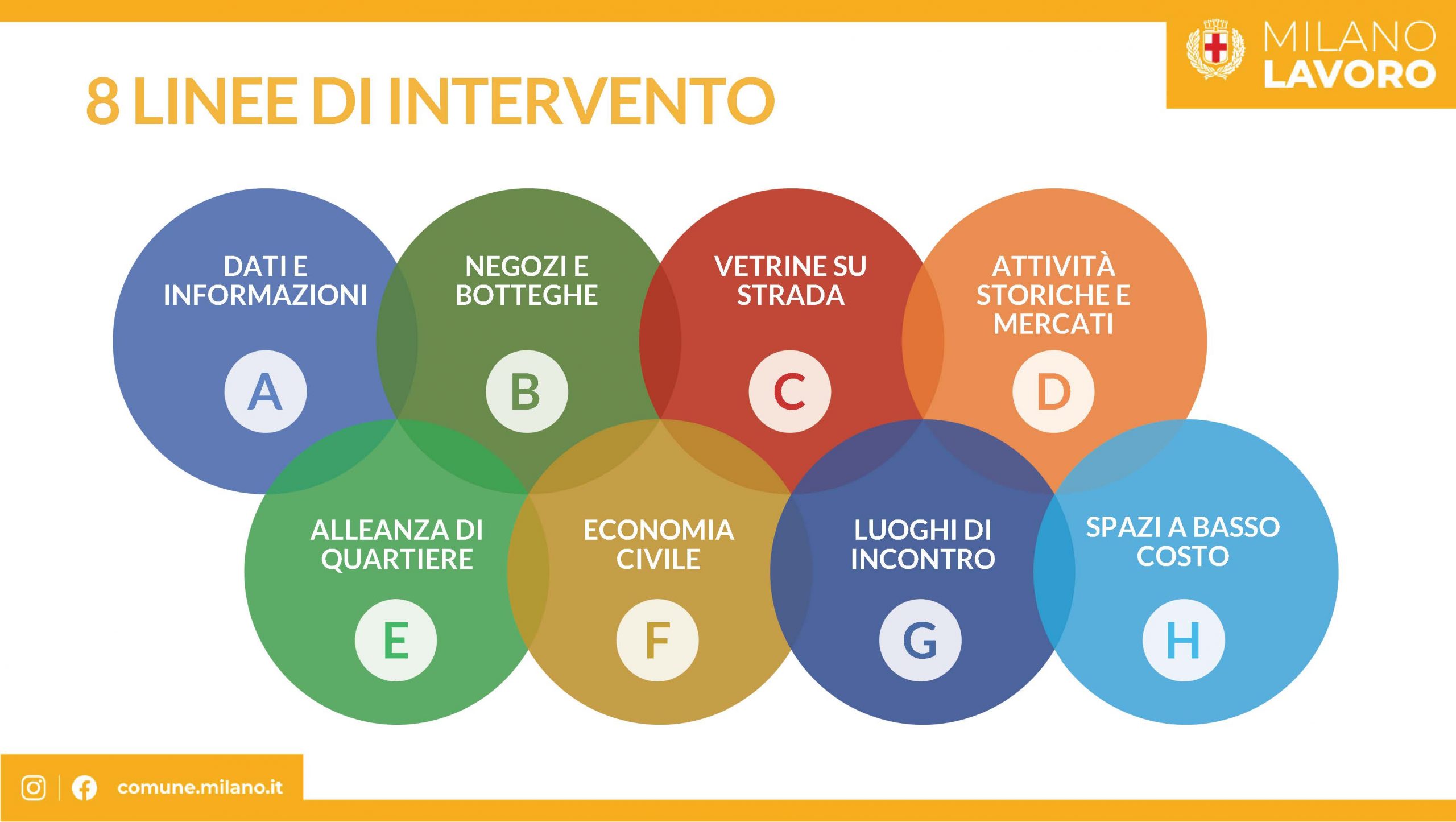
[Consulenza scientifica] Comune di MILANO_Supporto specialistico alla Direzione di Progetto Economia Urbana nell’ambito del Programma Triennale per l’Economia di Prossimità_2025-2027
Contratto DASTU Politecnico di Milano (resp. scient.: prof. Luca Tamini con prof.ssa Alessandra Oppio, dott. Giorgio Limonta, arch. David Casagrande, arch. Valentina Cosmi) Supporto specialistico alla Direzione di Progetto Economia Urbana Moda e Design (RUP: Dott. Annibale D'Elia) del Comune di Milano finalizzato al consolidamento di un quadro conoscitivo dell’attuale contesto e delle tendenze in […]
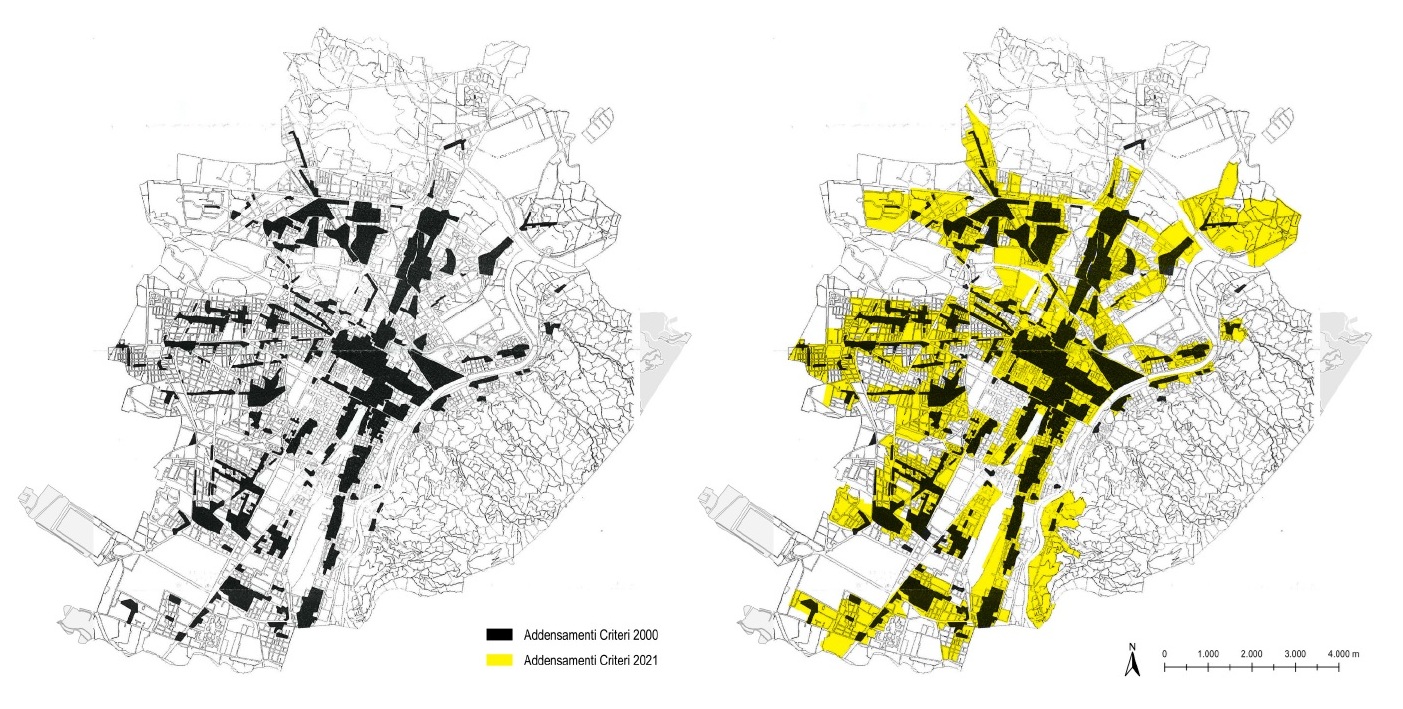
[Consulenza scientifica] Comune di TORINO_Redazione dei criteri di programmazione urbanistica riferiti al settore commerciale e semplificazione dei regolamenti comunali afferenti all’economia di prossimità_2025-2026
Contratto di servizi DASTU Politecnico di Milano (resp. scient.: prof. Luca Tamini con arch. Elena Franco, dott. Giorgio Limonta, dott. Federico Rivolta) Supporto specialistico di accompagnamento metodologico e supporto tecnico-scientifico alla redazione dei criteri di programmazione urbanistica riferiti al settore commerciale e al processo di semplificazione dei regolamenti comunali afferenti all’economia di prossimità". Timing: dicembre […]
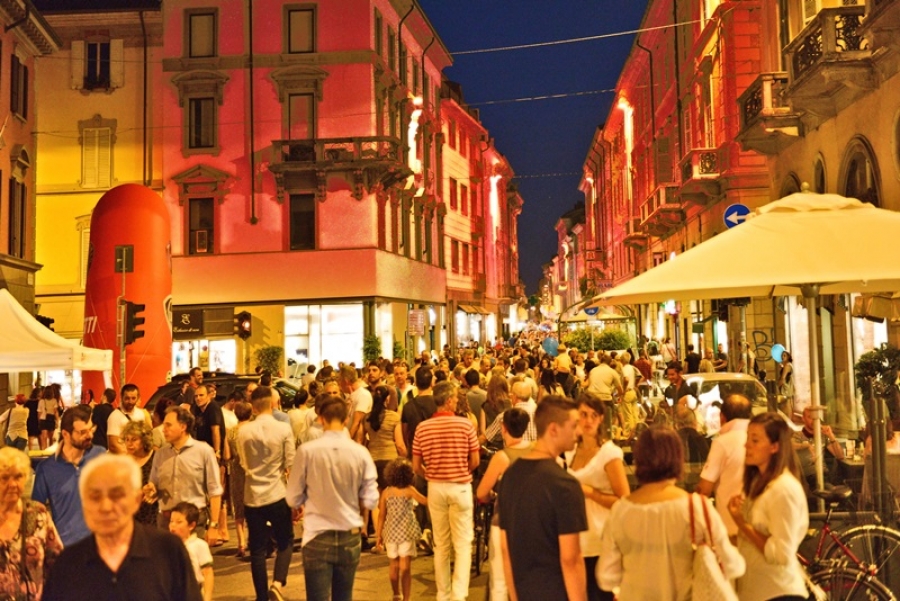
[Consulenza scientifica] Comune di PIACENZA_Mappatura e monitoraggio Hub urbano e nuovi Hub di prossimità_2025-2027
Contratto DASTU Politecnico di Milano (resp. scient.: prof. Luca Tamini con dott. Giorgio Limonta e dott.ssa Silvia Mete) Servizio di assistenza al RUP del Comune di Piacenza finalizzato alla mappatura e al monitoraggio delle dinamiche insediative e al supporto alla definizione delle politiche di valorizzazione e sostegno delle attività economiche urbane - hub urbano della […]
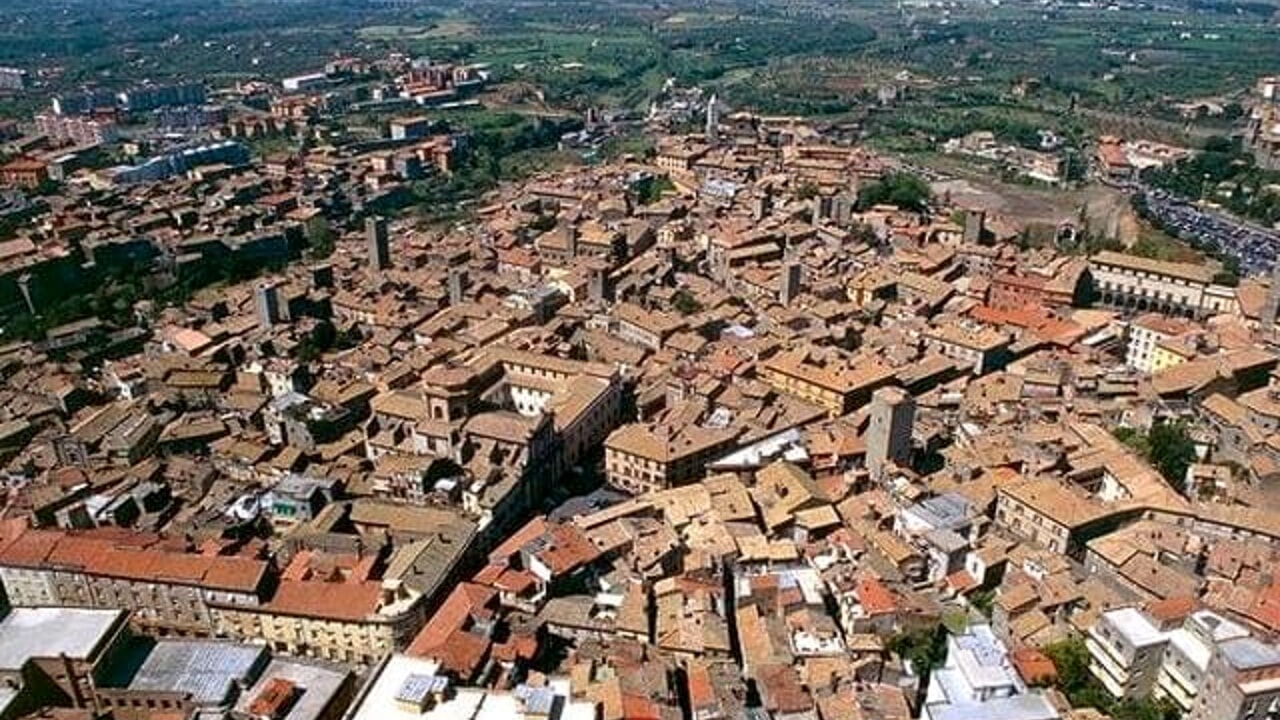
[Consulenza scientifica] Comune di VITERBO_Redazione di nuovi strumenti regolativi comunali inerenti alle politiche del commercio_dicembre 2025-settembre 2026
Contratto DASTU Politecnico di Milano (resp. scient.: prof. Luca Tamini con arch. Angelica Garbelli e dott.ssa Arianna Riviere) Supporto metodologico e accompagnamento tecnico- scientifico all’attività di redazione di nuovi strumenti regolativi comunali inerenti alle politiche del commercio, ai sensi della Legge regionale del Lazio 6 novembre 2019, n.22 (Testo Unico del Commercio) e del Regolamento […]
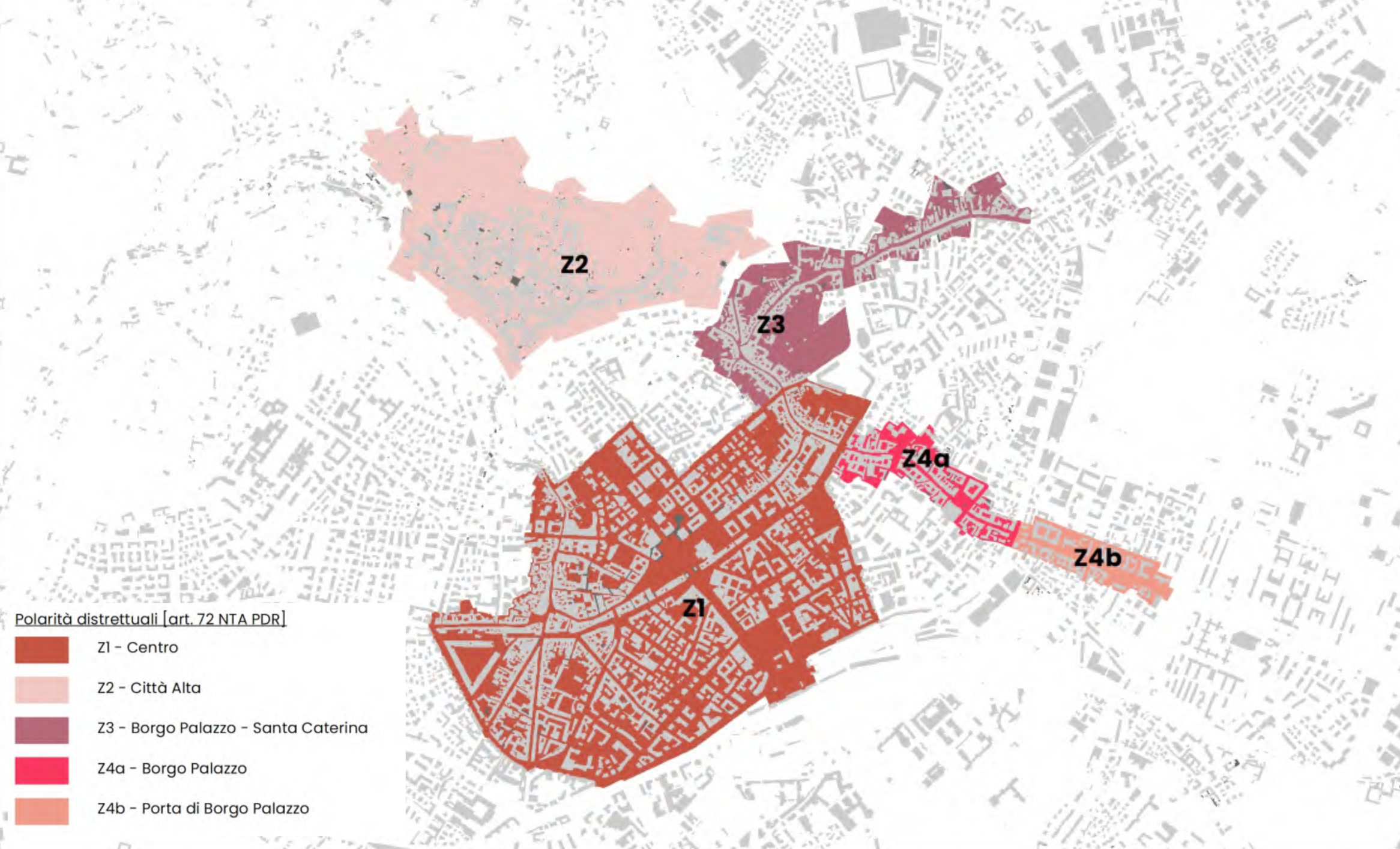
[Consulenza scientifica] Distretto Urbano del Commercio di BERGAMO_Monitoraggio della geografia dell’offerta_dicembre 2025-settembre 2026
Distretto Urbano del Commercio di Bergamo Monitoraggio 2026 della geografia dell’offerta commerciale delle polarità del DUC Bergamo e degli ambiti extra-distrettuali per la definizione di strategie, indirizzi e regole per il rilancio delle attività economiche urbane Resp.: dott. Giorgio Limonta Timing: dicembre 2025-settembre 2026
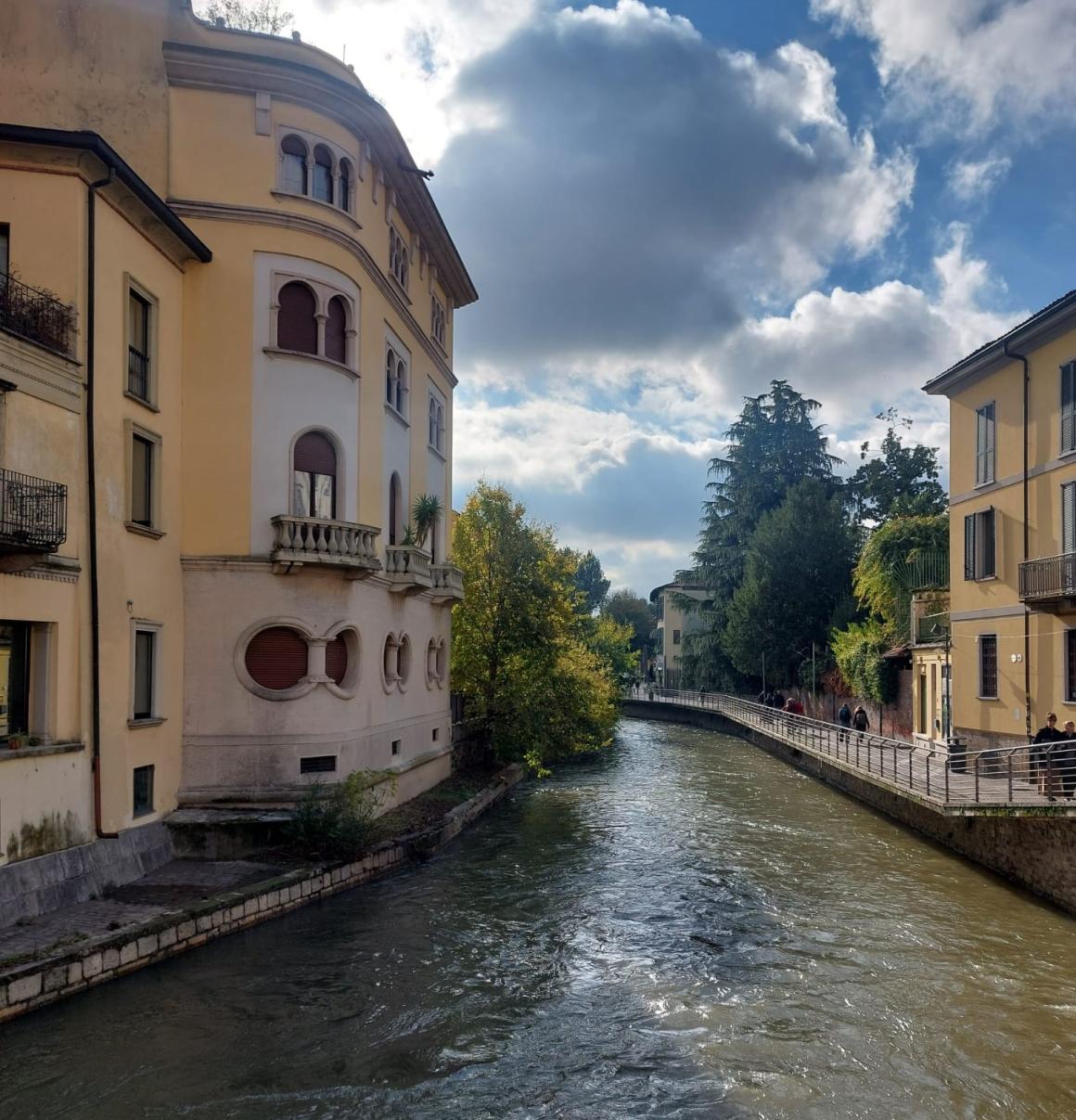
[Consulenza scientifica] Comune di MONZA_Servizio di supporto tecnico specialistico e metodologico per la partecipazione al bando regionale a favore dei Distretti del Commercio 2026
Decreto Regionale n. 3333 del 16/03/2026 – SERVIZIO DI SUPPORTO TECNICO/SPECIALISTICO E METODOLOGICO PER LA PARTECIPAZIONE AL BANDO REGIONALE A FAVORE DEI DISTRETTI DEL COMMERCIO 2026. Resp.: dott.ssa Silvia Mete, Laboratorio URB&COM LoG Timing: maggio-dicembre 2026

[Consulenza scientifica] Comune di RHO_Monitoraggio della geografia dell’offerta commerciale delle polarità del DUC e servizio di supporto tecnico per la partecipazione al Bando 2026 per lo sviluppo dei Distretti del Commercio
AREA 5 – PIANIFICAZIONE TERRITORIALE Ufficio Commercio Monitoraggio 2026 della geografia dell’offerta commerciale delle polarità del DUC e supporto tecnico per la partecipazione al Bando regionale 2026 a favore dei Distretti del Commercio (Decreto Regionale n. 3333 del 16/03/2026). Resp.: dott. Giorgio Limonta e dott.ssa Silvia Mete, Laboratorio URB&COM LoG Timing: maggio-dicembre 2026
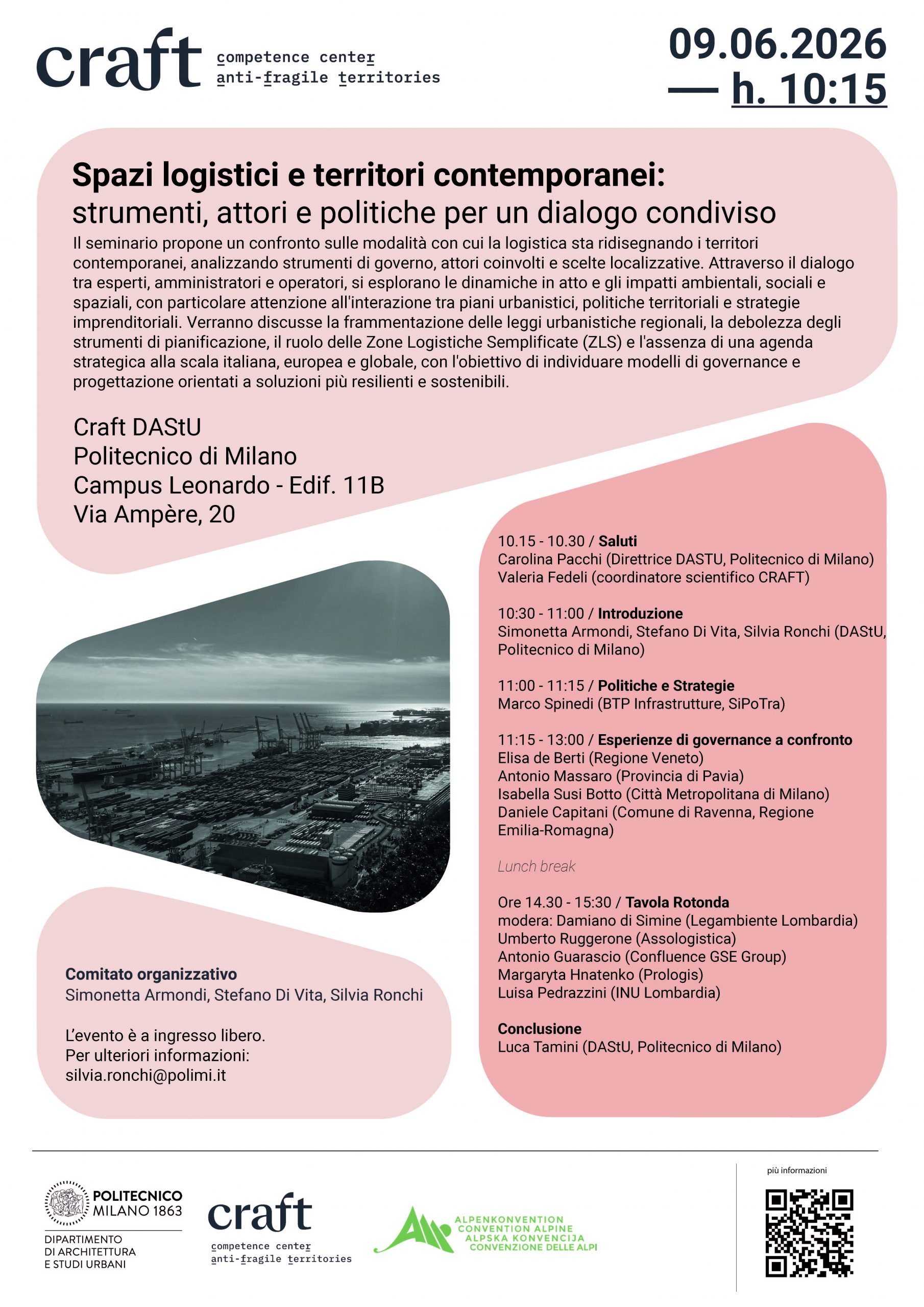
[Seminario di studio] Spazi logistici e territori contemporanei_CRAFT Politecnico di Milano_9 giugno 2026
Il seminario propone un confronto sulle modalità con cui la logistica sta ridisegnando i territori contemporanei, analizzando strumenti di governo, attori coinvolti e scelte localizzative. Attraverso il dialogo tra esperti, amministratori e operatori, si esplorano le dinamiche in atto e gli impatti ambientali, sociali e spaziali, con particolare attenzione all’interazione tra piani urbanistici, politiche territoriali […]
Latest seminars
[Evento] Città vive, territori forti_MILANO Palazzo Castiglioni_26 ottobre 2026
In una Lombardia al centro di trasformazioni economiche, demografiche e territoriali, i Distretti del Commercio rappresentano laboratori permanenti di sviluppo locale, capaci di generare attrattività, sostenibilità, sicurezza, inclusione e innovazione. L’incontro offrirà una panoramica su conoscenza e attività dei Distretti in un confronto tra istituzioni, mondo accademico e le dirette testimonianze dei protagonisti. 10.00 Registrazione […]
[Evento] Città attrattive_TARANTO_22 ottobre 2026
DISTRETTI URBANI DEL COMMERCIO, POLITICHE ATTIVE DEL LAVORO, FORMAZIONE E PIANIFICAZIONE STRATEGICA Giuseppe SPADAFINO, Presidente Confcommercio Taranto Onofrio DI CILLO, Vicepresidente ANCI Puglia Coordina: Valentina PALUMBO, Responsabile DUC Confcommercio Taranto DUC E PIANI STRATEGICI DEL COMMERCIO: STRATEGIE E STRUMENTI PER IL FUTURO DELLE ECONOMIE DI PROSSIMITÀ Daniela SILVESTRI Funzionaria Regione Puglia Sezione promozione del commercio, […]
[Seminario di studio] Spazi logistici e territori contemporanei_CRAFT Politecnico di Milano_9 giugno 2026
Il seminario propone un confronto sulle modalità con cui la logistica sta ridisegnando i territori contemporanei, analizzando strumenti di governo, attori coinvolti e scelte localizzative. Attraverso il dialogo tra esperti, amministratori e operatori, si esplorano le dinamiche in atto e gli impatti ambientali, sociali e spaziali, con particolare attenzione all’interazione tra piani urbanistici, politiche territoriali […]
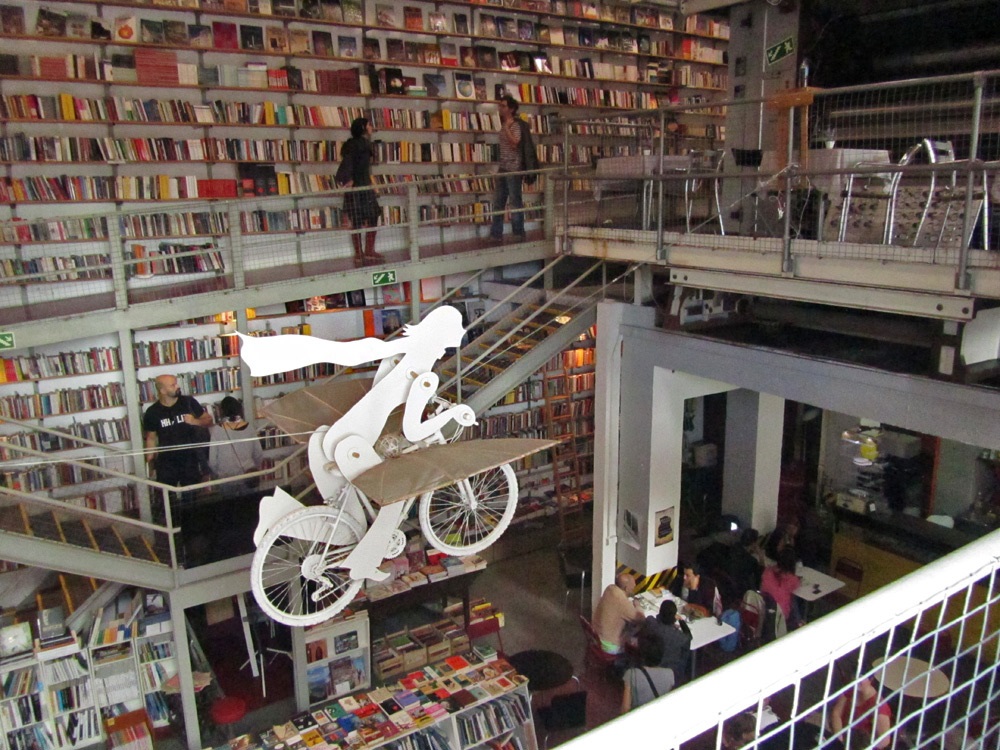
[Alta formazione] Graduate School of Management – GSoM Politecnico di Milano_ProgrammaUS_Cagliari_5-6 giugno 2026
Modulo 7 Valorizzazione del patrimonio culturale e dell’artigianato locale Restituire lo stato dell’arte, le buone pratiche, le azioni e le prospettive progettuali del rapporto integrato tra patrimonio culturale, artigianato locale, economie di prossimità rappresenta un tema rilevante in questa fase storica caratterizzata da una maggiore attenzione qualitativa e da un riposizionamento strategico del presidio di […]
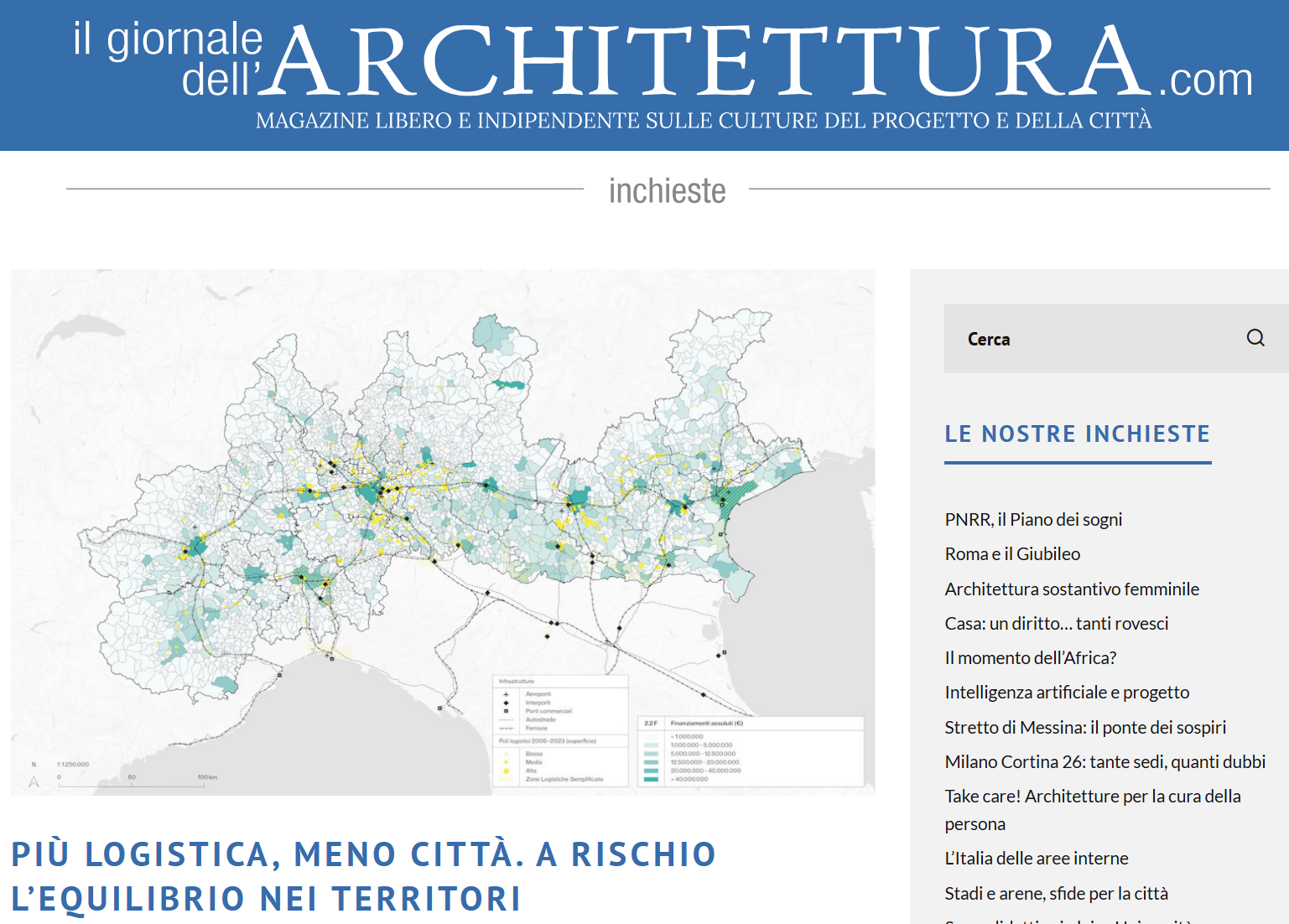
[Rassegna stampa] Il Giornale dell’Architettura_Più logistica, meno città_27 maggio 2026
Consumo di suolo, desertificazione commerciale, Zone Logistiche Semplificate, investimenti infrastrutturali. Rischi (e opportunità) delle scelte del PNRR Elena Franco e Luca Tamini INCHIESTA: PNRR il Piano dei sogni
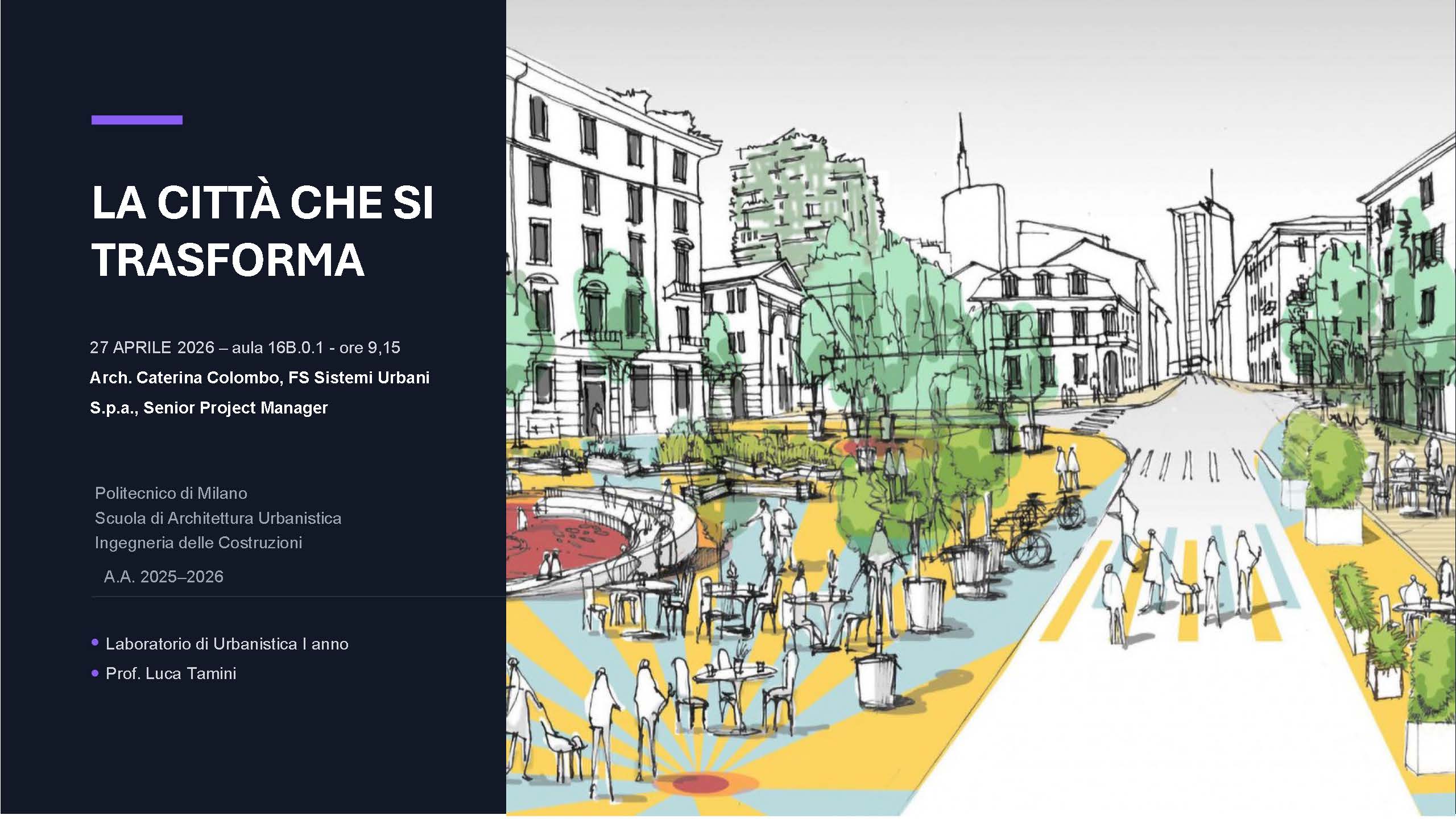
[Seminario di studio] La città che si trasforma_Laboratorio di Urbanistica_27 aprile 2026
Arch. Caterina Colombo, FS Sistemi Urbani S.p.a., Senior Project Manager La città che si trasforma • URBANISTICA E GEN Z• URBANISTICA COME PROCESSO• URBANISTICA CASI STUDIO Politecnico di Milano, Scuola di Architettura Urbanistica Ingegneria delle Costruzioni 27 aprile 2026, aula 16B.0.1
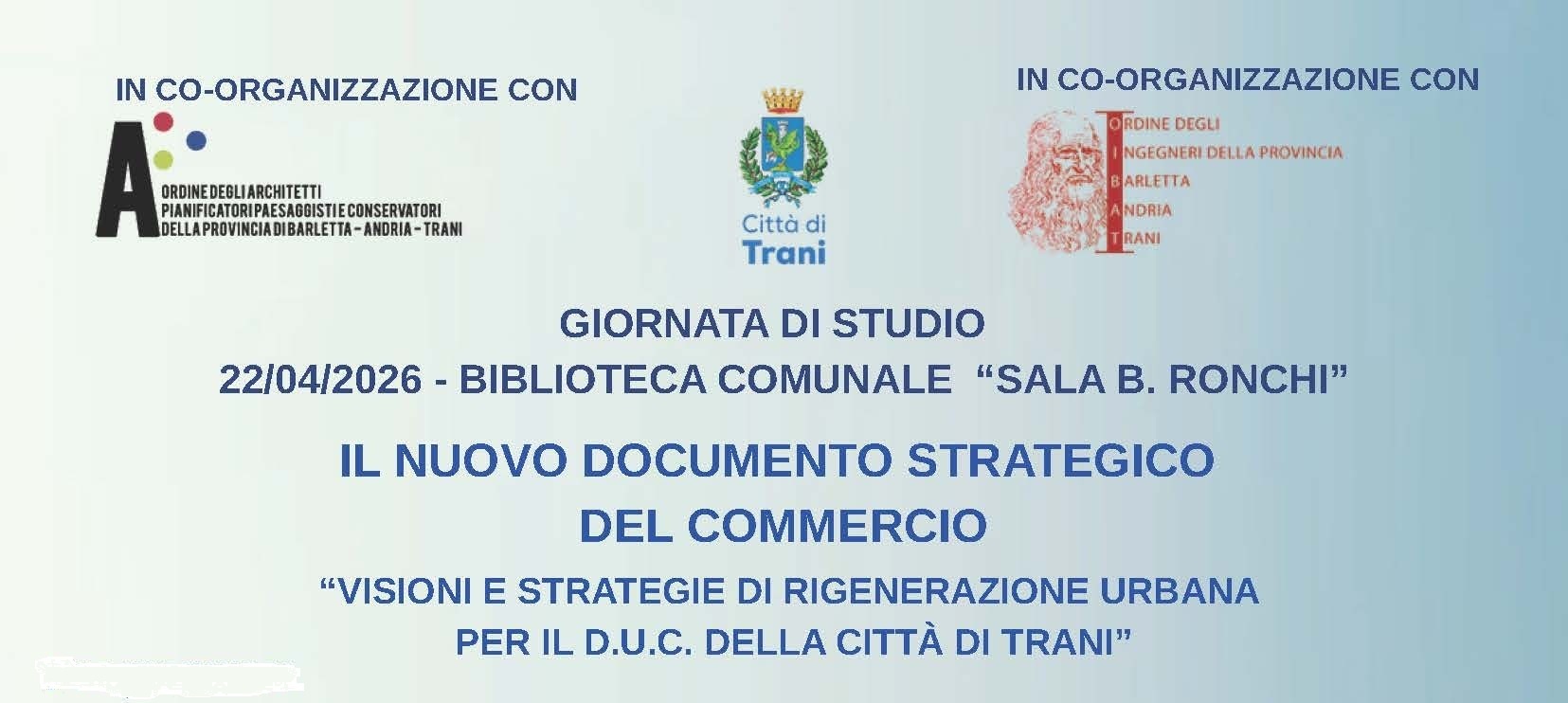
[Giornata di studio] Il nuovo documento strategico del commercio_Trani (BAT)_22 aprile 2026
“VISIONI E STRATEGIE DI RIGENERAZIONE URBANA PER IL D.U.C. DELLA CITTÀ DI TRANI” – GIORNATA DI STUDIO – IL NUOVO DOCUMENTO STRATEGICO DEL COMMERCIO Città di Trani, Distretto Urbano del Commercio-DUC Trani, Confesercenti Bat, Confcommercio Provincia di Bari-Bat, Ordine degli Architetti, pianificatori, paesagisti e conservatori della Provincia Bat, Ordine degli Ingegneri della Provincia Bat TRANI […]
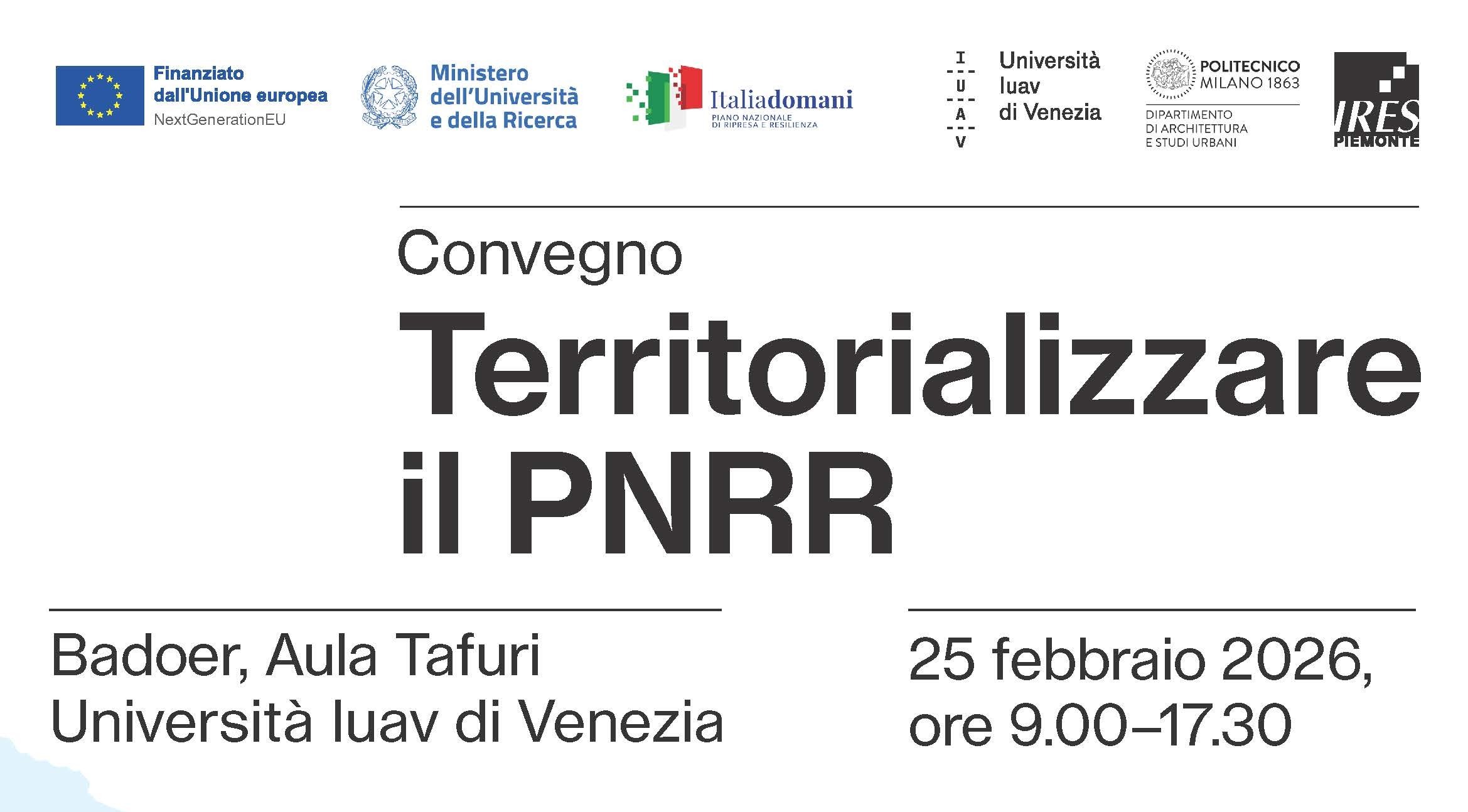
[Convegno] Territorializzare il PNRR_Venezia_25 febbraio 2026
Convegno finanziato dall’Unione europea - NextGenerationEU, nell’ambito del PNRR M4 - C2 - Investimento 1.1 Bando PRIN 2022 - Progetto Territorializing the National Recovery and Resilience Plan (PNRR) 9.00–9.15 Saluti istituzionali Francesco Musco 9.15–11.00 PNRR e impatti territoriali: i risultati della ricerca Introduce e modera Laura Fregolent ● Metodologia e indagine conoscitiva, Gianfranco Pozzer ● […]

[Seminario] Dal PNRR ai territori_Firenze_17 ottobre 2025
SEMINARIO PRIN 2022 - Dal PNRR ai territori: evidenze, strumenti e prospettive della ricerca Un seminario di ricerca e confronto tra PRIN che indagano il PNRR nei territori metropolitani Aula 401 - Santa Teresa Via della Mattonaia 8, Firenze 17 ottobre 2025 coordinamento Carlo Pisano Università di Firenze Valentina Orioli Università di Bologna Laura Fregolent […]